Understanding the
developing mind.
Known is a paediatric neuropsychology clinic in Canberra. We help families truly understand their child, through one holistic assessment designed around them, and the support that follows. For children and young people aged 4 to 18.

A clear understanding is the place to start.
Getting your child assessed for a neurodevelopmental disorder can be a helpful place to begin. The process helps you gain a better understanding of your child and their brain: what they find easy, and where they experience challenges. If those challenges are significantly getting in the way for them, a diagnosis may be made.
Our assessment process is shaped by an in-depth understanding of neurobiology, and is designed to help each child and family navigate the time before and after a diagnosis with ease. We place real emphasis on working holistically across the home and school settings, to gain a deeper understanding of how each child operates. This knowledge is then used to establish a tailored intervention approach, scaffolding a child’s environment so they can learn and function to their absolute capacity.
We also work therapeutically with children and their families to put strategies in place after diagnosis, always founded on the biopsychosocial model of health and wellbeing.
Three ways we help.
It begins with an assessment. From there, where it’s the right fit, that same understanding can extend into therapy and into your child’s school.
Neurodiversity is a part of being human, simply a different way the brain has wired up.
Neurodiversity is a term used to describe the different ways the brain can wire up through development. Neurodiverse brains tend to take in and process information in a slightly different way to the neurotypical brain, so a child experiences the world through a different lens, and responds to situations a little differently too.
It is often associated with many strengths and talents that, when recognised and harnessed, can allow a child to excel in many areas of their life. But these same brain differences can also bring challenges in navigating the world, typically within the academic, social and emotional domains. When that happens, it is important to put supports in place so that a child can still live a happy and fulfilling life.
One assessment, designed around your child.
Many clinics treat assessments as separate products. You book an autism assessment, or an ADHD assessment, and if something else surfaces, you’re sent away to book another. Children get moved from one silo to the next. We don’t work that way.
When your child comes to Known, Dr Murray considers their whole neurobehavioural picture. Drawing on the evidence base and on what she sees in your child, she designs a single assessment around them, choosing which areas to investigate and which test batteries to use. Sometimes that means looking closely at one thing. Often it means carefully untangling several at once.
Children are rarely just one thing. Dr Murray is especially experienced with complex, overlapping presentations, and with finding the real driver beneath the behaviour you’re seeing, rather than stopping at the first label that happens to fit.
Areas an assessment may explore.
These aren’t separate services to choose between. They’re the areas Dr Murray may investigate within a single assessment, selected and combined around your child. Families often look into them individually, so here’s what each one involves.
Not sure which apply to your child? You don’t need to choose. See how an assessment is designed →
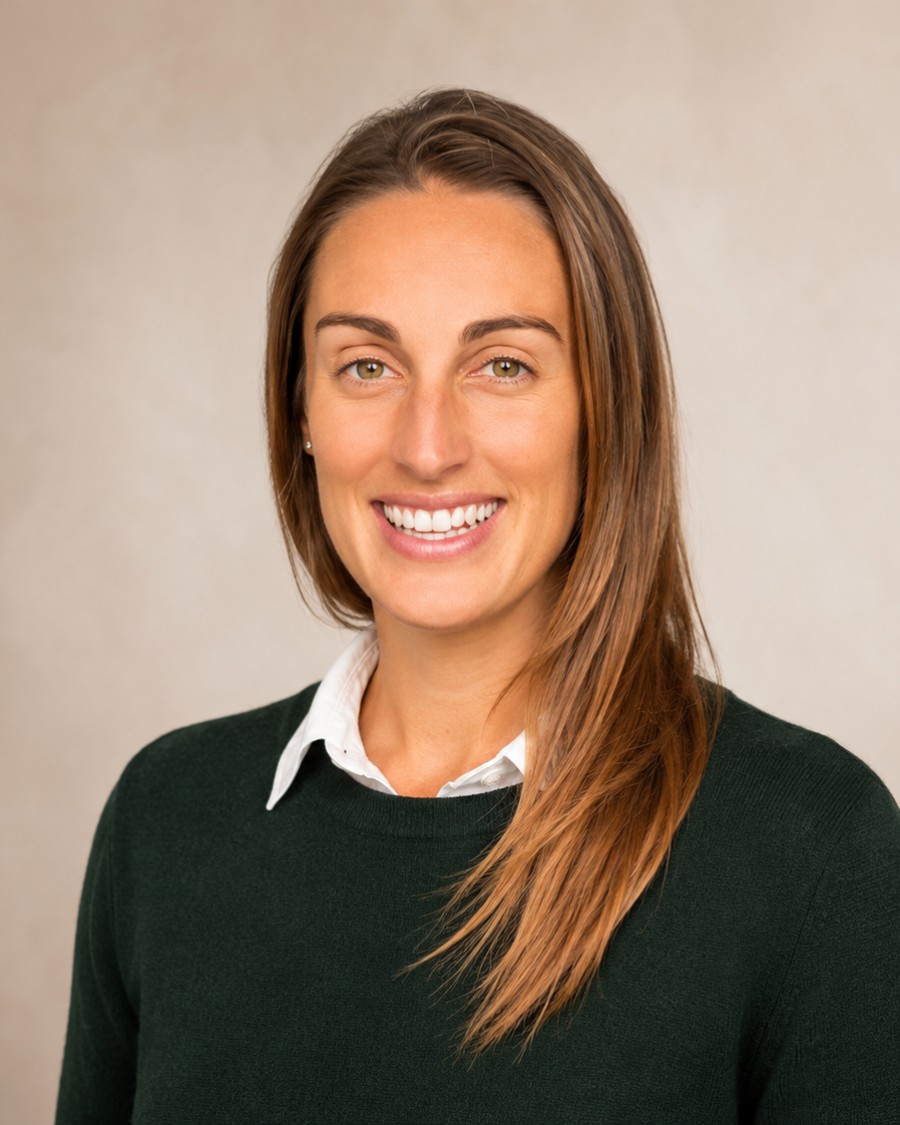
The practitioner
Dr Andrea Murray
Andrea is a board-certified paediatric Clinical Neuropsychologist who specialises in the diagnosis of children and adolescents with neurodevelopmental conditions. She holds a combined Masters/PhD in Clinical Neuropsychology from the University of Melbourne, where her research focused on executive networks in the developing brain.
Her assessment process is shaped by a deep understanding of neurobiology, and works holistically across home and school to understand how each child operates. She is particularly experienced with complex presentations, where more than one thing is happening at once, and with using that understanding to scaffold a child’s world so they can learn and function to their absolute capacity.
What the process looks like
Every child is different, so every assessment varies, but the shape is consistent, and you’ll know what comes next at each step.
Gathering the picture
Questionnaires from parents and teachers, and, where it helps, a classroom observation, build a view of your child across the settings that matter most.
Talking with you
A clinical interview with parents, usually one to two hours, to understand your child’s history, strengths and challenges.
Working with your child
Direct assessment with your child, around two to three hours, using established, evidence-based instruments.
A clear report
Findings drawn together into a report with background, results, and practical strategies for home and school.
Begin with understanding.
Tell us a little about your child and what you’re noticing. It takes a few minutes, and it’s the first step toward a clearer picture.